
Peter Obi’s chances under the NDC platform
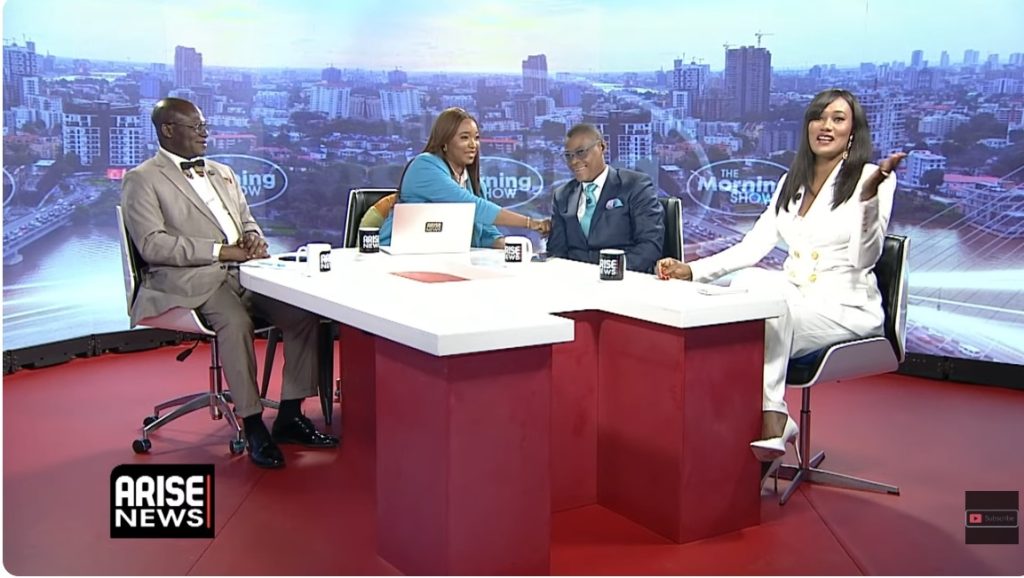
Fresh political reactions continue following the Nigeria Democratic Congress’s official zoning of its 2027 presidential ticket to the South at its national convention in Abuja, a move widely seen as boosting Peter Obi’s chances under the NDC platform.
Obi delivered a fiery speech explaining why he left the ADC while criticizing leaders who continue to benefit from Nigeria, as citizens struggle across the country.
Based on recent political developments as of May 2026, Peter Obi’s move to the Nigeria Democratic Congress (NDC) has significantly improved his chances for the 2027 presidential election, particularly following the party’s decision to zone its presidential ticket to the South.
While the NDC platform is seen as providing a better structured and more strategic base for Obi than the recent ADC coalition, his ultimate success will depend on navigating potential legal challenges to the new party’s standing and converting the “Obidient” momentum into a broader, nationwide political coalition.\
Potential Challenges:
Competition and Skepticism: Some analysts, such as Jackson Lekan Ojo, express skepticism about whether the new alliance can gain enough acceptance in the North to dislodge the ruling APC.
Incumbency Factor: The ruling APC is actively consolidating its base, and the presidency has declared that Peter Obi and the opposition cannot defeat Bola Tinubu in 2027.
Fragmented Opposition: Some argue that Obi’s movement from the ADC to the NDC further splits the opposition, which could ultimately benefit the APC.
The Factors Influencing Obi’s Chances in NDC
Zoning Advantage: The NDC officially zoned its 2027 presidential ticket to the South during its national convention, making Obi a frontrunner for the party’s nomination.
Obi-Kwankwaso Alliance: There is a strong, highly speculated alliance where Peter Obi would run for president, with Rabiu Musa Kwankwaso as his vice-presidential candidate, aiming to combine southern popularity with northern grassroots support.
“Four-Year Deal” Strategy: Reports suggest a strategic arrangement where Obi would run for a single four-year term (2027-2031) before handing over to a northern candidate, aimed at securing crucial northern support.
Opposition Realignment: Following the legal and internal issues facing the African Democratic Congress (ADC) and Labor Party (LP), the NDC is emerging as a preferred vehicle for opposition forces seeking a “clean slate”.
Overcoming Previous Hurdles: The NDC platform provides an opportunity to counter accusations that Obi seeks “free tickets,” as he is expected to engage in democratic primaries, albeit with strong party backing.